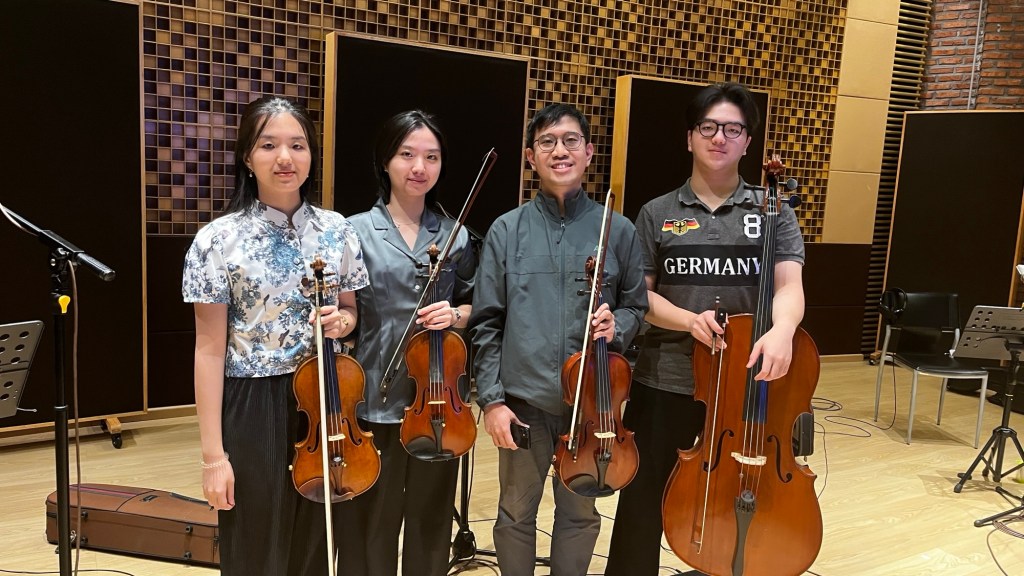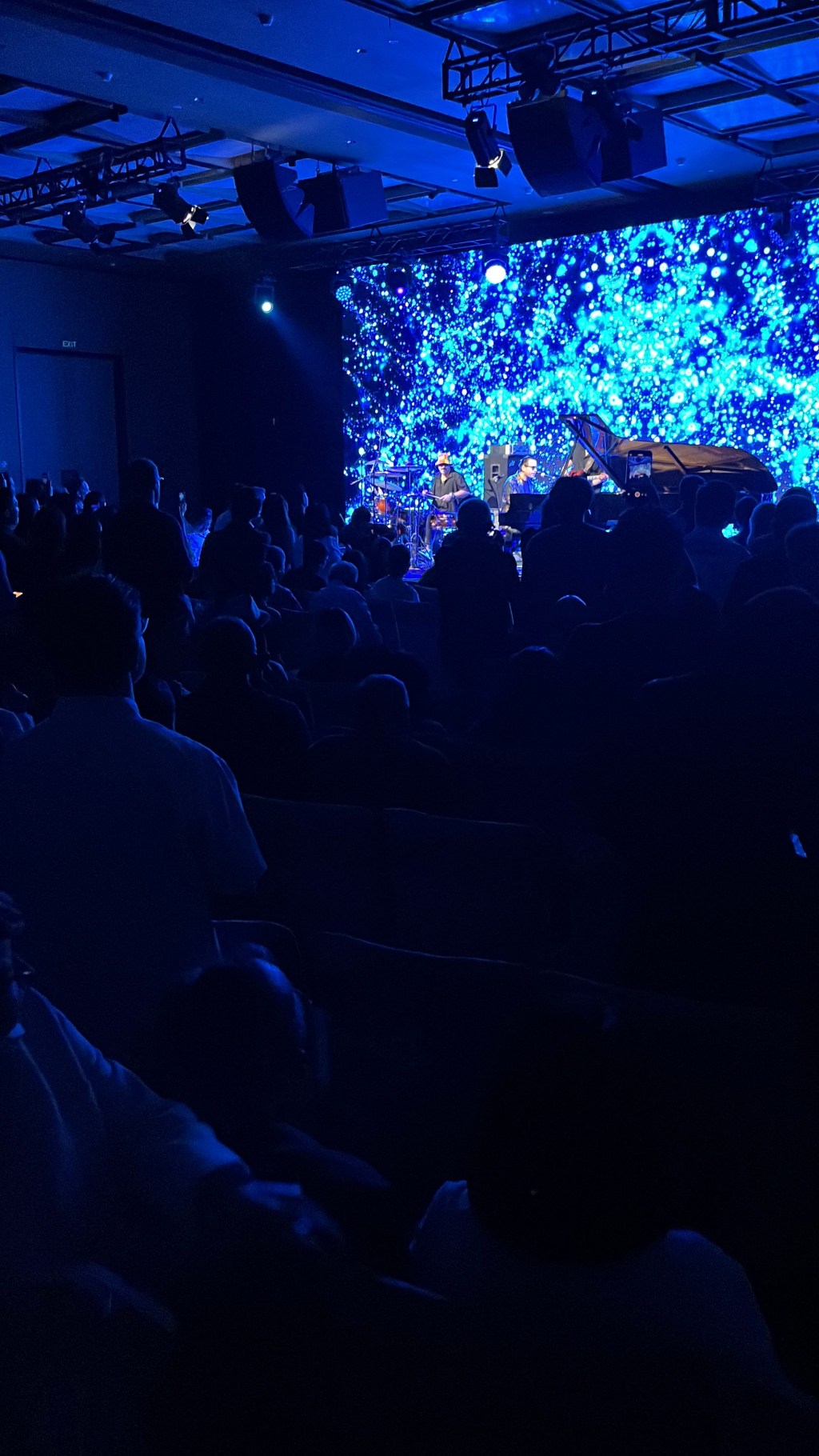
At Sudirman Hall, Sequis Tower, SCBD, a trio led by Cuban pianist Alfredo Rodríguez demonstrated how familiar songs can become fresh musical experiences through rhythm, arrangement, and reinterpretation.
There is something fascinating about hearing a familiar song transformed into something unexpected. The melody may remain recognizable, but a shift in rhythm, phrasing, or musical language can change the way we experience it entirely.
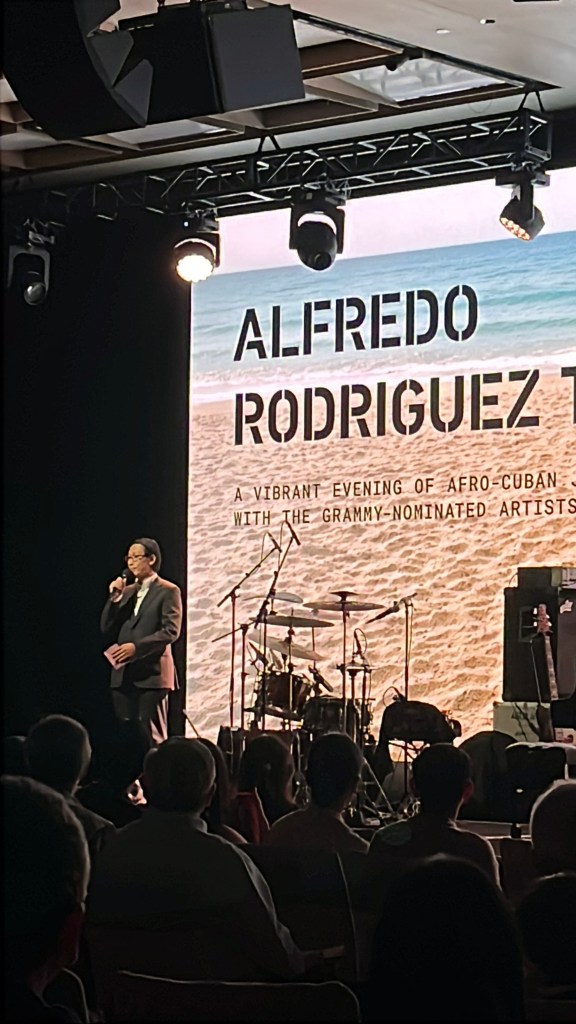
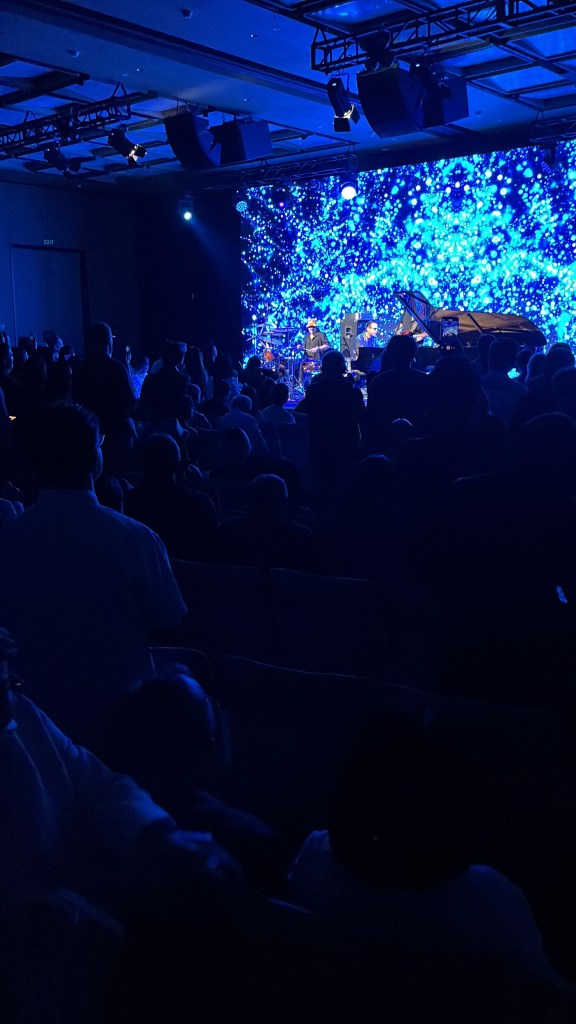
That idea came to life when I watched Alfredo Rodríguez perform with his trio at Sudirman Hall, Sequis Tower, in Jakarta’s Sudirman Central Business District (SCBD).
Rather than relying solely on original material, the trio explored the possibilities of musical reinterpretation, bringing a Latin sensibility to well-known songs. Three selections stood out in particular: Europe’s The Final Countdown, the classic Bésame Mucho, and Eagles’ Hotel California.
Together, they offered an interesting perspective on the art of arrangement: the ability to retain the identity of a song while discovering new ways to express it.
Opening with a Latin Reimagining of The Final Countdown
Opening a performance with The Final Countdown was an intriguing choice.
Widely recognized for its dramatic rock identity, the song carries strong associations with its original arrangement. Reworking it through a Latin musical approach immediately changes the context in which its familiar melodic material is heard.
The appeal of this kind of reinterpretation lies in the contrast between recognition and surprise. The audience already knows the song, so the arrangement does not need to introduce an entirely new melody to capture attention. Instead, it can redirect that familiarity through rhythm, phrasing, and a different musical sensibility.
This is one of the most interesting challenges in arranging popular music. A successful reinterpretation must preserve enough of the original character for listeners to recognize it, while creating sufficient contrast to make the performance worthwhile in its own right.
In this case, the Latin treatment of The Final Countdown provided an opening statement for a performance built around the possibilities of musical transformation.
Bésame Mucho: A Connection to the Latin Tradition
The inclusion of Bésame Mucho offered a different perspective.
Unlike The Final Countdown, which originated in the world of rock, Bésame Mucho already belongs to a musical tradition closely associated with Latin repertoire. Its presence created an interesting contrast within the program.
The broader lesson is that arrangement is not simply about changing a song’s genre. It is also about understanding the musical identity of the material and deciding how that identity should be presented.
A familiar standard can invite a different kind of interpretation from a rock anthem. The challenge is not necessarily to make the song unrecognizable, but to find a fresh perspective within material that listeners may already know well.
Placed alongside the trio’s treatment of The Final Countdown, Bésame Mucho highlighted the range of possibilities available when musicians approach repertoire with an awareness of its musical context.
When Hotel California Meets the Montuno
One of the most compelling moments was the trio’s interpretation of Hotel California in a montuno style, accompanied by three-part vocal singing.
The original song by Eagles is deeply established in popular music. Its identity is closely tied to its recognizable melody, harmonic progression, and distinctive atmosphere. Introducing a montuno-based approach offers a different rhythmic framework through which listeners can experience that familiar material.
Montuno is an important element of Cuban and Afro-Cuban musical traditions, particularly associated with repeating piano figures and the interplay between rhythm and improvisation. In the right context, it can create a sense of rhythmic momentum that differs significantly from the feel of a conventional rock arrangement.
The addition of three-part vocals introduced another dimension to the interpretation. Rather than presenting the song solely as an instrumental reworking, the trio incorporated vocal interplay into its musical approach.
This combination is particularly interesting from an arrangement perspective. Rhythm establishes a new foundation, while the voices contribute an additional layer of texture and musical identity.
The result illustrates how reinterpretation can extend beyond changing a song’s groove. It can involve reconsidering how different musical elements interact, from the rhythmic foundation to the relationship between instruments and voices.
The Art of Reinterpretation: Familiarity Without Predictability
These three selections suggest a broader principle that is relevant to musicians, arrangers, and music directors alike.
A strong arrangement does not necessarily need to replace a song’s identity. It can reveal another dimension of that identity.
The process begins with an understanding of what makes a piece recognizable. Its melody, harmony, rhythmic character, and emotional associations all contribute to the listener’s perception of the original.
From there, an arranger can explore different possibilities:
- Rhythm: Changing the groove can fundamentally alter how a melody feels without removing its recognizable qualities.
- Musical language: Introducing elements from another tradition can create a new relationship between familiar material and its performance context.
- Texture: Reconsidering the interaction between instruments and voices can give an established song a different character.
- Contrast: The difference between the original and the new interpretation can itself become a source of musical interest.
The key is intention. A stylistic change is most effective when it contributes something meaningful to the music rather than functioning as a superficial variation.
This is especially relevant when working with popular songs. Their familiarity presents both an opportunity and a constraint. Listeners arrive with expectations, and an arrangement must decide which of those expectations to preserve, challenge, or redirect.
Lessons for Arrangers and Music Directors
For anyone involved in arranging, producing, or directing live music, performances like this offer a useful reminder: repertoire selection is only the beginning of the creative process.
The next question is what a musician can do with the material.
A rock anthem can become a vehicle for exploring a different rhythmic tradition. A classic Latin song can offer another point of reference within the same program. A familiar rock composition can be reconsidered through montuno and vocal harmonization.
These approaches demonstrate why musical versatility involves more than the ability to perform across genres. It also requires an understanding of how musical ideas can be reorganized while maintaining a meaningful connection to their source.
For music directors, this perspective can be particularly valuable when designing performances for audiences with diverse musical backgrounds. Familiar repertoire can provide an accessible point of entry, while thoughtful arrangements create opportunities for discovery.
The goal is not simply to make a song sound different. It is to give listeners a reason to hear it differently.
A Fresh Perspective on Familiar Music
Watching Alfredo Rodríguez and his trio in Jakarta reinforced the appeal of musical reinterpretation.
From the Latin arrangement of The Final Countdown to Bésame Mucho and the montuno-inflected Hotel California with three-part vocals, the selections demonstrated different ways of approaching familiar repertoire.
What makes this approach compelling is the balance between recognition and reinvention. The original songs remain the point of reference, but their musical possibilities extend beyond the arrangements through which audiences first encountered them.
For musicians, that is an enduring creative opportunity: to take material that already has a place in popular culture and discover what else it can become.
Sometimes, hearing a familiar song in a different musical language is enough to remind us that a composition is never limited to a single interpretation.
Written for ChakaMusic.com — perspectives on music performance, arrangement, and production.